Korean Bibimbap
Highlighted under: Everyday World Food Recipes
Korean Bibimbap is a vibrant and nutritious dish that brings together various vegetables, rice, and a savory sauce, topped with a perfectly fried egg.
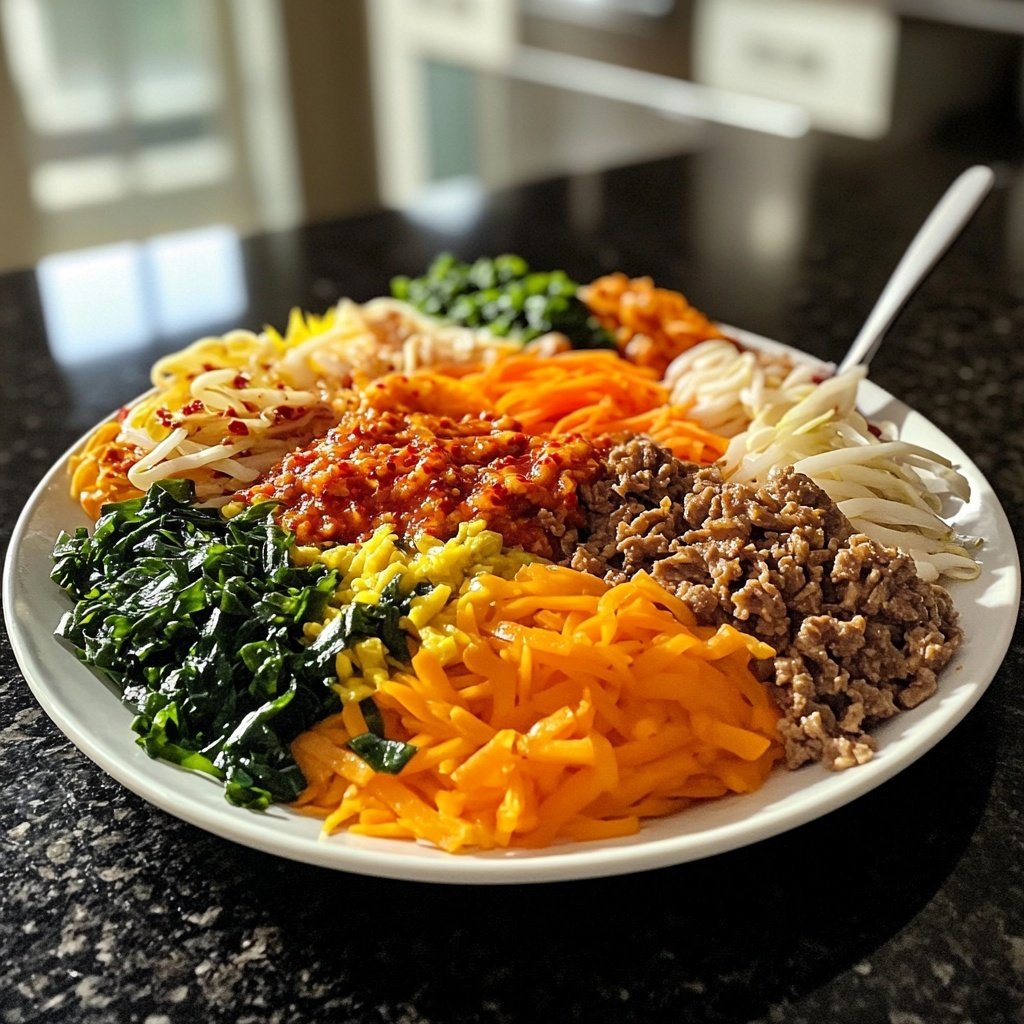
Korean Bibimbap is not only a delicious meal but also a feast for the eyes. The colorful array of vegetables, rice, and protein makes it a wholesome choice for any meal. Originating from Korea, this dish combines various textures and flavors, topped with a sunny-side-up egg for that perfect finish.
Why You Will Love This Recipe
- A colorful and nutritious meal packed with flavor
- Customizable with your favorite vegetables and proteins
- Comfort food that brings a taste of Korea to your kitchen
The Essence of Bibimbap
Bibimbap is a traditional Korean dish that translates to 'mixed rice.' It is a harmonious blend of flavors and textures, making it a feast for the senses. The dish typically consists of short-grain rice topped with a variety of sautéed and seasoned vegetables, a protein source like beef or tofu, and a fried egg. The final touch is a drizzle of gochujang, a spicy and savory chili paste that adds depth and richness to each bite.
What sets bibimbap apart is its vibrant presentation. The colorful array of vegetables not only enhances the visual appeal but also packs a nutritional punch. Each ingredient contributes unique vitamins and minerals, making this dish not only delicious but also wholesome. It's no wonder bibimbap has gained popularity beyond Korea, captivating food lovers around the globe.
Customizing Your Bibimbap
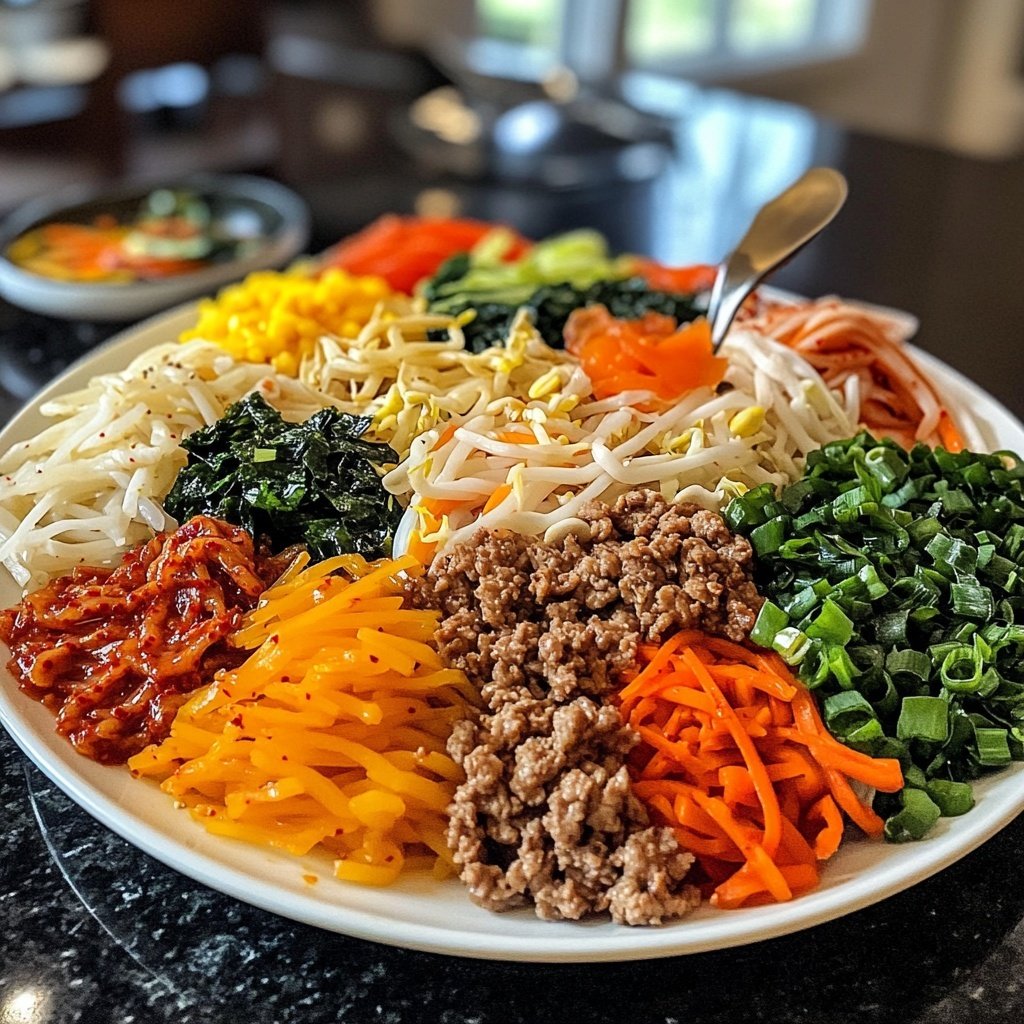
One of the best aspects of bibimbap is its versatility. You can customize it according to your taste preferences and dietary needs. Whether you're a vegetarian, vegan, or a meat-lover, there are endless combinations of vegetables and proteins to explore. Common additions include sliced beef, chicken, or even tofu for a plant-based option. Seasonal vegetables can also be used, making it a great dish to adapt throughout the year.
Don't hesitate to experiment with different sauces and toppings as well. While gochujang is a staple, you can also try adding soy sauce, kimchi, or even a splash of vinegar for an extra kick. The ability to personalize your bibimbap ensures that every bowl is uniquely yours, allowing for a delightful experience each time you prepare it.
Perfecting the Fried Egg
A perfectly fried egg is the crowning glory of bibimbap. The yolk should be runny, creating a rich sauce that melds beautifully with the other ingredients when mixed together. To achieve this, cook your eggs in a well-heated skillet, allowing the whites to set while keeping the yolks soft. For those who prefer a more well-done yolk, simply cook for a minute or two longer, but be sure not to overdo it, as the creaminess of the yolk is essential.
If you're looking to elevate your fried egg game, consider adding a sprinkle of salt and pepper, or even a dash of sesame oil for added flavor. You can also use a non-stick pan to ensure your eggs cook evenly and slide out easily. The key is to keep it simple and focus on achieving that perfect sunny-side-up finish.
Ingredients
Gather all the ingredients before you start cooking for a smoother experience.
For the Bibimbap
- 2 cups cooked short-grain rice
- 1 cup spinach, blanched
- 1 cup bean sprouts, blanched
- 1 medium carrot, julienned
- 1 zucchini, julienned
- 1 cup shiitake mushrooms, sliced
- 4 eggs
- 4 tablespoons gochujang (Korean chili paste)
- 1 tablespoon sesame oil
- 1 tablespoon vegetable oil
- Sesame seeds for garnish
Make sure to wash and prepare all vegetables properly to enhance their flavors.
Instructions
Follow these steps carefully to create a perfect bowl of Bibimbap.
Prepare the Rice
Cook the short-grain rice according to package instructions. Once done, fluff it with a fork and set aside.
Sauté Vegetables
In a skillet, heat vegetable oil over medium heat. Sauté zucchini, carrots, and shiitake mushrooms separately until tender. Season with a pinch of salt.
Fry the Eggs
In the same skillet, fry the eggs sunny-side-up until the whites are set but the yolks remain runny.
Assemble the Bibimbap
In a bowl, place a serving of rice, top with sautéed vegetables, blanched spinach, and bean sprouts. Add a fried egg on top and drizzle with sesame oil and gochujang.
Serve
Garnish with sesame seeds and mix the ingredients together before enjoying!
Make sure to mix the ingredients well for a balanced flavor in every bite.
Pro Tips
- Feel free to customize your Bibimbap with your choice of protein like beef, chicken, or tofu.
Serving Suggestions
Bibimbap is a meal that shines on its own, but you can elevate it further with a few accompanying dishes. Consider serving it with a side of kimchi, a staple in Korean cuisine, to add a spicy, tangy element that complements the flavors of the bibimbap. Additionally, a light soup like miso or a simple broth can provide a refreshing contrast and round out the meal.
For a complete dining experience, pair your bibimbap with a traditional Korean beverage such as makgeolli, a sweet rice wine, or a refreshing barley tea. These drinks enhance the meal's authenticity while offering a delightful way to cleanse your palate between bites.
Storage and Reheating
Bibimbap can be made ahead and stored for later enjoyment. If preparing in advance, keep the components separate to maintain freshness, particularly the fried egg and vegetables. Store the rice in an airtight container in the refrigerator for up to three days, and reheat it in a microwave or on the stovetop with a splash of water to prevent drying out.
When it comes to reheating the vegetables, a quick sauté in a skillet can restore their vibrancy and flavor. If you're short on time, you can microwave them for a few seconds, but be cautious not to overcook. Freshly fried eggs are best made just before serving; however, leftover eggs can still be enjoyed in the mix, providing a tasty and nutritious meal.
Questions About Recipes
→ Can I make Bibimbap vegetarian?
Absolutely! Just skip the egg or use a plant-based alternative, and load up on your favorite vegetables.
→ What can I substitute for gochujang?
You can use a mix of chili paste and a touch of honey or maple syrup for sweetness.
→ Is Bibimbap healthy?
Yes! It's packed with vegetables and can be customized to fit various dietary needs.
→ Can I make this dish ahead of time?
You can prepare the vegetables and rice in advance, but it's best to fry the egg just before serving.
Korean Bibimbap
Created by: Elowen Carter
Recipe Type: Everyday World Food Recipes
Skill Level: Intermediate
Final Quantity: 4 servings
What You'll Need
For the Bibimbap
- 2 cups cooked short-grain rice
- 1 cup spinach, blanched
- 1 cup bean sprouts, blanched
- 1 medium carrot, julienned
- 1 zucchini, julienned
- 1 cup shiitake mushrooms, sliced
- 4 eggs
- 4 tablespoons gochujang (Korean chili paste)
- 1 tablespoon sesame oil
- 1 tablespoon vegetable oil
- Sesame seeds for garnish
How-To Steps
Cook the short-grain rice according to package instructions. Once done, fluff it with a fork and set aside.
In a skillet, heat vegetable oil over medium heat. Sauté zucchini, carrots, and shiitake mushrooms separately until tender. Season with a pinch of salt.
In the same skillet, fry the eggs sunny-side-up until the whites are set but the yolks remain runny.
In a bowl, place a serving of rice, top with sautéed vegetables, blanched spinach, and bean sprouts. Add a fried egg on top and drizzle with sesame oil and gochujang.
Garnish with sesame seeds and mix the ingredients together before enjoying!
Extra Tips
- Feel free to customize your Bibimbap with your choice of protein like beef, chicken, or tofu.
Nutritional Breakdown (Per Serving)
- Calories: 500 kcal
- Total Fat: 21g
- Saturated Fat: 4g
- Cholesterol: 186mg
- Sodium: 600mg
- Total Carbohydrates: 70g
- Dietary Fiber: 5g
- Sugars: 5g
- Protein: 14g